
LASIK in Singapore – everything you need to know about suitability, costs and risks
A comprehensive guide to all three Laser Vision Correction procedures — ReLEx® SMILE, LASIK and Advanced Surface Ablation — covering suitability, pricing and what to expect.
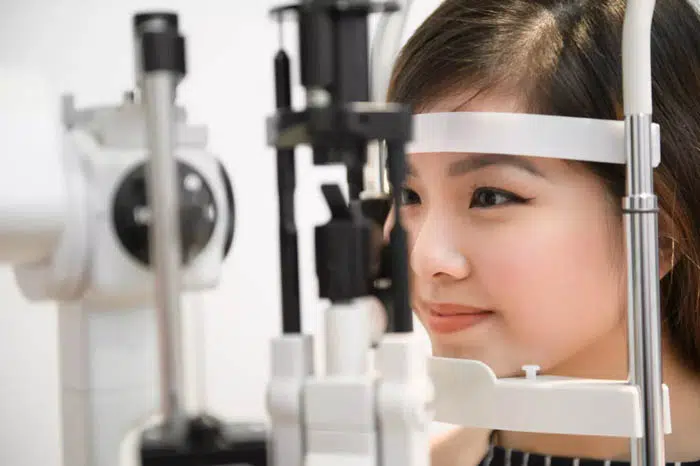
You are considering having LASIK done because you long for independence from your spectacles and contact lenses. For a long time, you have put up with the inconvenience of wearing and carrying them around, not to mention maintaining them and in the case of contaminated contact lenses, being afflicted with eye infections.
However, there is just too much information on the subject and everything is scattered all over various sites and blogs on the Internet. Well, worry no further because you've come to the right place – in this article, you will find everything you need to know about getting LASIK done in Singapore. It will shed light on the types of LASIK procedures available, the pros and cons of each, as well as their pricing.
Let our comprehensive guide be your go-to resource for all things LASIK. We believe that it will help you make the best decision based on the condition of your eyesight and your lifestyle needs.
What is LASIK?
Since its introduction in the 1990s, LASIK has become a common surgical procedure performed in Singapore to correct vision problems such as myopia (short-sightedness), hyperopia (long-sightedness) and astigmatism. LASIK, also known as laser eye surgery, is a medical treatment that uses a laser to reshape the cornea. This procedure helps address conditions like nearsightedness, farsightedness, and astigmatism. It can also be used to manage presbyopia, a common issue with near vision that develops as we age.
Its popularity has resulted in many people using the term LASIK interchangeably with Laser Vision Correction (LVC); in fact, LASIK is one of 3 main types of LVC procedures available in Singapore today: Advanced Surface Ablation (PRK, Epi-LASIK, LASEK, TransPRK), LASIK and ReLEx® SMILE.
Am I suitable for LASIK surgery?
What does LASIK correct?
LASIK procedures are recommended for correcting:
- Myopia (short-sightedness) in the range of 100 to 1,000 degrees
- Hyperopia (long-sightedness) of up to 350 degrees
- Astigmatism of up to 350 degrees
The ideal age for undergoing LASIK is when your eye prescription is stable – this should be when you are at least 18 years of age.
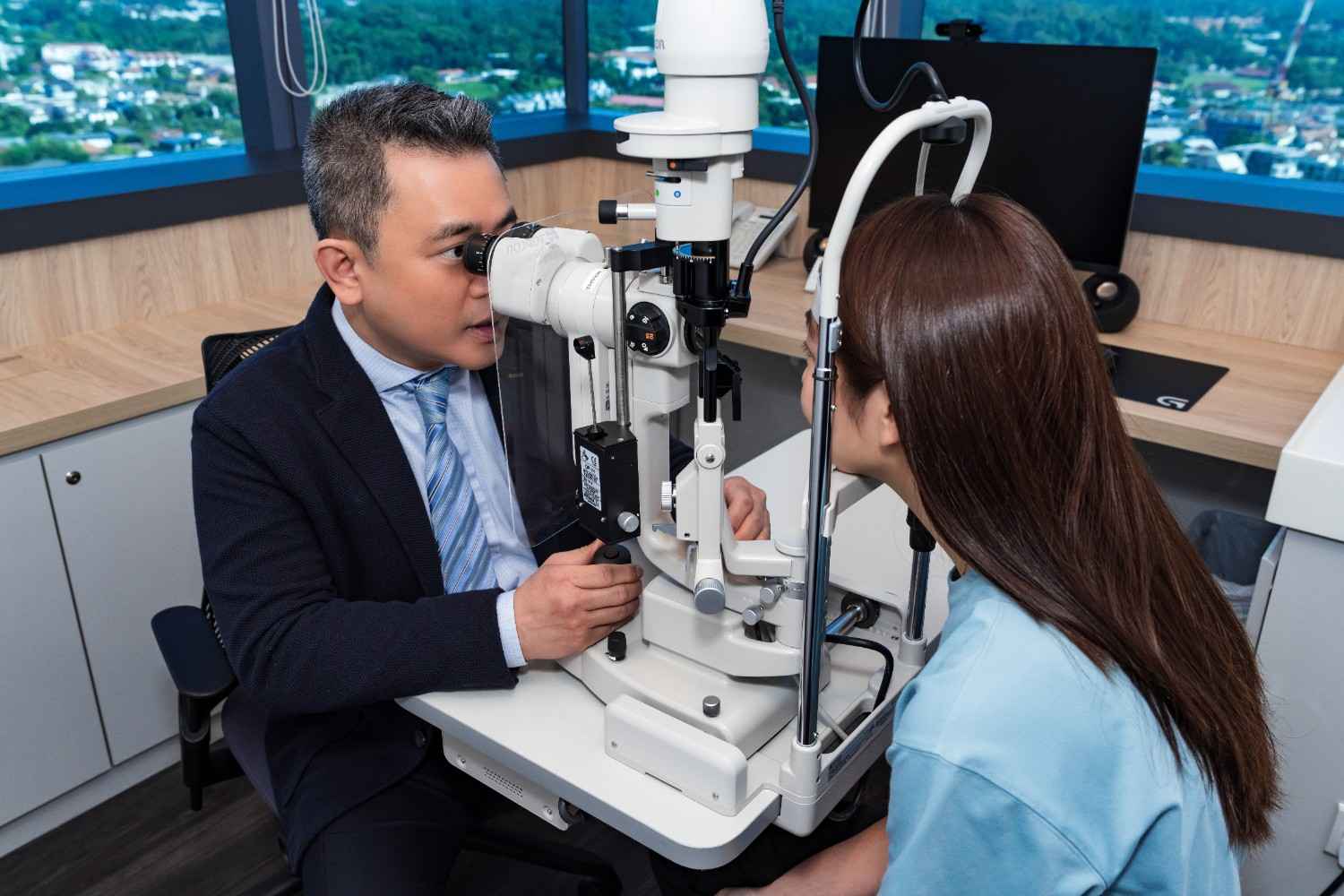
✓ Suitable for LASIK
- Age 18 years or above (parental consent needed if below 21)
- Stable eye prescription for at least the past 12 months
- Myopia in the range of 100–1,000 degrees
- Hyperopia of up to 350 degrees
- Astigmatism of up to 350 degrees
- Good overall eye health with no significant eye disease
- Adequate corneal thickness for the procedure
✕ Not suitable for LASIK
- Below 18 years old (note that you need parental consent if below 21)
- Eye prescription that falls well outside the treatment ranges
- Eye prescription that is unstable during the past 12 months
- Eye diseases such as cataracts and glaucoma
- Suffering from poor health
- Pregnant or breastfeeding women
- Severe dry eye syndrome
- Corneas that are too thin, irregularly shaped, or steep (keratoconus)
"While LASIK is a popular option, it is not suitable for everyone. Factors such as irregular shaped cornea are important considerations."
What are the differences between the 3 Laser Vision Correction procedures?
The 3 Laser Vision Correction procedures offered in Singapore today are Advanced Surface Ablation (PRK, Epi-LASIK, LASEK, TransPRK), LASIK and ReLEx® SMILE. Each has distinct advantages depending on your eye condition and lifestyle.

Advanced Surface Ablation (PRK, Epi-LASIK, LASEK, TransPRK)
A 'no-flap, no incision, surface-based' procedure. Suitable if you have an active lifestyle, thinner corneas, or concerns over dry eye or flap-related issues.
How it works:
- Removal of a thin layer of cells on the surface of the cornea.
- Sculpting of the corneal tissue using a laser to correct refractive errors.
- A protective contact lens is placed over the eye to allow regrowth of surface cells.
Advantages
- Flapless — no risk of flap complications
- Lower dry eye occurrence
- Suitable for contact sports
- Suitable for thinner corneas
Considerations
- Slower visual recovery (5–7 days)
- Higher discomfort levels
- Eye medication needed for weeks to months

LASIK
Laser-Assisted In Situ Keratomileusis — the most commonly performed Laser Vision Correction procedure. Offers rapid, comfortable recovery and good refractive correction, especially for higher myopia.
How it works:
- A 22mm circumferential side-cut flap is created on the corneal surface by a femtosecond laser and folded back.
- The corneal tissue is accurately sculpted by an excimer laser to correct refractive errors.
- The flap is repositioned and stays in place until the cornea is fully healed.
Advantages
- Fast visual recovery
- Less discomfort post-surgery
- Easier early enhancements
- Treats most eye powers
Considerations
- Possible flap-related complications (rare)
- Higher incidence of post-procedure dry eye among the 3 LVC types

ReLEx® SMILE
Refractive Lenticule Extraction – Small Incision Lenticule Extraction. Flapless, minimally invasive and combining the benefits of ASA and LASIK. Learn more about ReLEx® SMILE.
How it works:
- A lenticule (disc-shaped piece of corneal tissue) is created by a laser just beneath the corneal surface.
- The lenticule is removed through a small 4mm incision, reshaping the cornea to correct vision.
Advantages
- Fast visual recovery
- Flapless — no flap complications
- Less dry eye vs LASIK
- Suitable for contact sports
- Small 4mm incision
Considerations
- Cannot correct hyperopia
- Enhancement requires conversion to LASIK or PRK
- Unsuitable for very low myopia
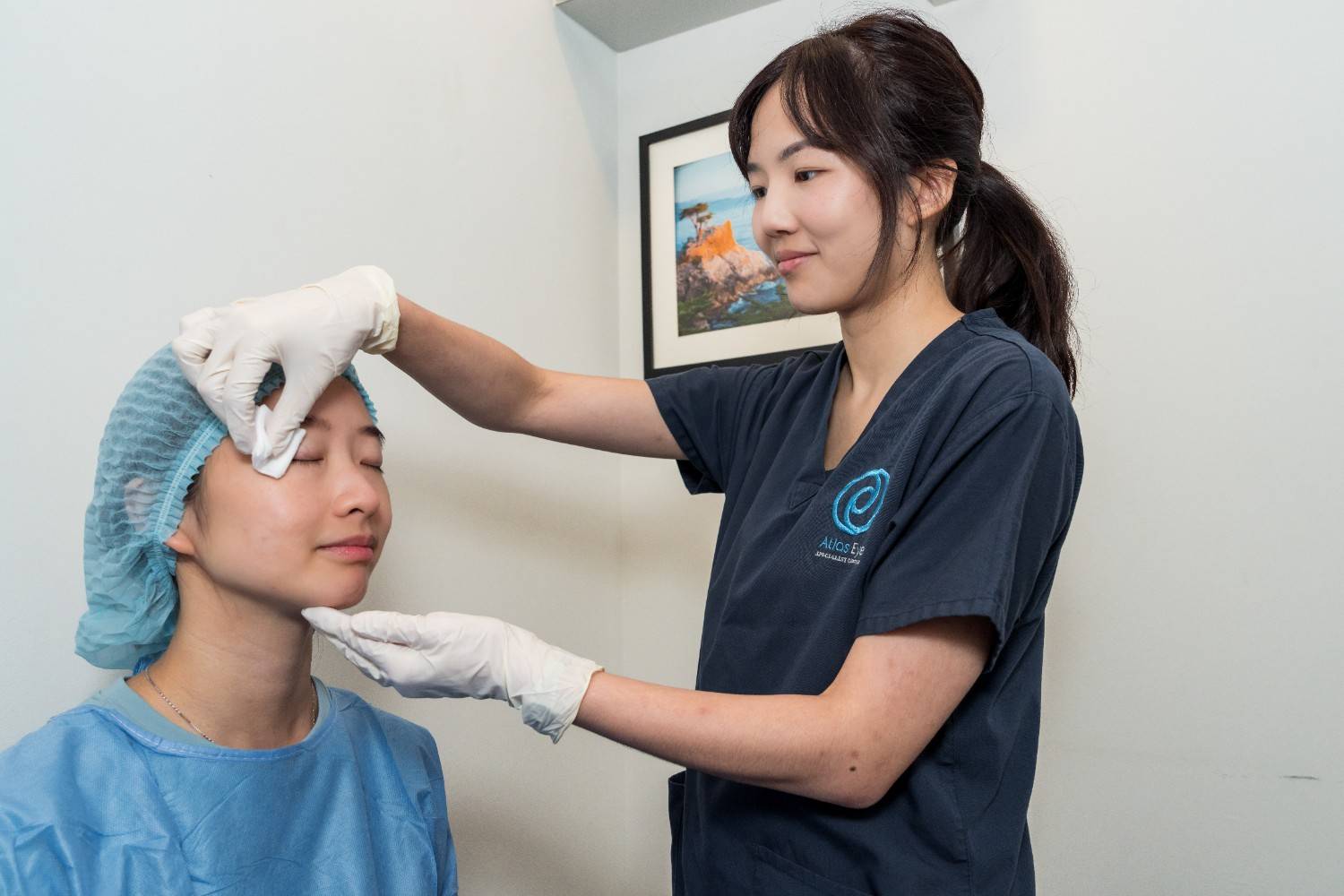
Comparative advantages at a glance
| Aspect | Advanced Surface Ablation (ASA) | LASIK | ReLEx® SMILE |
|---|---|---|---|
| Flapless (no flap complications) | ✓ | ✕ | ✓ |
| Fast visual recovery | ✕ (5–7 days) | ✓ (3 days) | ✓ (3 days) |
| Low dry eye incidence | Moderate | ✕ (highest among 3) | ✓ (lower than LASIK) |
| Suitable for thinner corneas | ✓ | Limited | Limited |
| Suitable for contact sports | ✓ | ✕ | ✓ |
| Can treat hyperopia | ✓ | ✓ | ✕ |
| Ease of enhancement | Possible | ✓ (relatively easier) | Requires conversion to LASIK/PRK |
| Resumption to work | 5–7 days | 3 days | 3 days |
Which LVC procedure is best for me?
If you have been evaluated as being suitable for Laser Vision Correction, the best procedure for you will depend on your corneal thickness and shape, degree of short-sightedness, degree of astigmatism, and lifestyle/occupation. Together with your eye doctor (ophthalmologist), you will be able to determine which procedure is most suitable after a thorough consultation and eye evaluation.
- ASA may be preferred if your cornea is quite thin, if you have a low degree of short-sightedness, or if you are into contact sports.
- LASIK offers the best balance of speed and comfort, and is suitable for a wider range of prescriptions.
- ReLEx® SMILE is ideal for those wanting a flapless approach with fast recovery and reduced dry eye risk.
What are the risks of LASIK surgery?
You may experience some temporary side effects over the following days and weeks after the procedure. Most side effects resolve naturally as the eye heals:
⚠ Common temporary side effects
ASA risks
- Slower visual recovery
- Higher levels of discomfort during healing
LASIK risks
- Possible rare flap-related complications
- Post-procedure dry eye
ReLEx® SMILE risks
- Unsuitable for very low myopia
- Cannot treat hyperopia
There is a small probability of over- or under-correction of eyesight power occurring (less than 2 to 5% of cases). If your resulting prescription is +/–0.75 or more, you may undergo enhancement surgery 3 months after your procedure or when your refractive error has stabilised.
Pre-LASIK evaluation
If you are keen to get LASIK done, sign up for a pre-LASIK evaluation. The evaluation process takes about 3 hours and consists of a comprehensive list of eye tests to determine your suitability.
Prepare for the evaluation
You are required to stop using soft contact lenses at least 3 days before the evaluation, or at least 14 days if you are using hard contact lenses.
Comprehensive eye tests
Tests include determining the corneal thickness and shape, intraocular pressure, manifest refraction and pupil dilation.
Pupil dilation effects
After pupil dilation, most people need to remove their glasses to see near; far vision remains unaffected. Some may also be sensitive to bright lights. This effect typically wears off in 4 to 6 hours. You may want to bring along your sunglasses on the day of your evaluation.
Consultation with your eye doctor
After the tests are done, your eye doctor (ophthalmologist) will share with you the results and discuss your surgical options based on your eye condition, occupation and lifestyle. Take this opportunity to ask questions and clear your doubts.
What if I have dry eyes — can I still get LASIK done?
This is one of the most frequently asked questions – the good news is that for most individuals, their condition is mild enough for LASIK to be done. In our evaluation of patients with dry eye syndrome, we need to look at the severity as well as the reversibility of the dryness.
LASIK may temporarily cause increased dryness, but most patients will revert to their original state within 3 months of the procedure. For a small number of patients, they may have increased dryness up to 6 months, while a tiny proportion of patients (less than 1%) have increased dryness up to 12 months or more.
If you have dry eye syndrome, have it diagnosed and treated properly before getting LASIK done. After the procedure, keep up with your treatment faithfully to prevent the symptoms from reappearing. Use your prescribed eyedrops regularly, even if you do not feel that you need them – having the symptoms reappear before starting to treat them may be too late.
"Many patients with mild dry eye syndrome can still undergo LASIK safely. We carefully evaluate the severity and reversibility of the dryness, and with proper pre-treatment and post-operative care, most patients return to their baseline comfort within three months."
How much does LASIK surgery cost in Singapore?
The cost of LASIK in Singapore can vary widely, generally ranging between $3,000 to $8,000, depending on the type of LASIK procedure chosen and the eye clinic you visit. Factors like the surgeon's experience and type of laser technology (LASIK, ReLEx® SMILE, PRK etc.) can influence pricing.
When researching LASIK costs, confirming if the quoted price covers initial consultations, follow-up reviews, and necessary medications is essential to ensure full transparency.
| Procedure | Fees (incl. GST) |
|---|---|
|
Laser Vision Correction (ReLEx® SMILE, LASIK, PRK) Includes: Advanced Surface Ablation (Wavefront PRK / Epi-LASIK / LASEK / TransPRK), Wavefront LASIK (bladeless), ReLEx® SMILE |
From $3,535* |
| Collagen cross-linking (CXL) XTRA (2 eyes) | $1,225 |
| Implantable contact lens (1 eye) | From $3,600 |
| Refractive lens exchange (1 eye) | From $6,300 |
The differences in the packages can be attributed to pre- and post-operative services that the individual hospital or clinic provides, such as pre-surgery eye evaluations and post-surgery reviews and enhancement. Do pay careful attention to what is being offered to avoid hidden costs or paying for unnecessary add-ons.
Can I use my Medisave or insurance policy?
In most cases, no, as refractive errors are not considered illnesses. The only exception to this is when there is a difference of at least 300 degrees between your eyes AND if you are intolerant to glasses and contact lenses.
Insurance policies generally do not cover LASIK procedures. However, some policies with higher premiums allow for it, while some companies include it under their corporate benefits. Do check with your provider beforehand.
Frequently asked questions
When LASIK was first introduced, patients had to undergo surgery one eye at a time — because of the risk of infection to both eyes, and because laser accuracy was less precise. As these are no longer concerns today, the majority of LASIK procedures in Singapore are done on both eyes in the same sitting, minimising your downtime after surgery.
However, if you prefer to stagger the procedures, surgeons are usually happy to oblige your request.
Collagen Cross-Linking (CXL) is a top-up procedure done at the same session as your LASIK procedure, aimed at strengthening the cornea to:
- Reduce the risk of Corneal Ectasia — a rare complication where the cornea loses its ability to keep its shape, degrading vision.
- Extend the longevity of the laser results.
- Minimise the possibility of an enhancement after the first procedure.
The process consists of applying drops of Vitamin B2 to your eye during the laser treatment. UV light is then shone on your eye for about 1 minute which activates the collagen fibres to cross-link and strengthen the cornea. The whole process adds merely another 5 minutes to the procedure time.
Studies have indicated that generally, people with high eye power have a greater tendency to suffer a regression. If you have CXL done, it can reduce the chance of this happening, as well as reduce the risk of Corneal Ectasia which may occur many years after LASIK surgery.
Stop using soft contact lenses at least 3 days before the surgery, and at least 14 days for hard lenses.
If you want to have Collagen Cross-Linking on top of your procedure, do not consume large amounts of Vitamin C 1 week before the surgery. Having small pieces of fruits and vegetables containing Vitamin C is fine.
You can expect to spend a total of about 2 hours in the hospital/clinic, with the procedure itself taking about 30 minutes for 2 eyes.
You will experience blurry vision during the first 6 hours, so it will be helpful to have someone accompany you home after the procedure. Otherwise, you are still able to make your own way home in a cab.
Do follow all medical instructions strictly. You will also be provided with eye shields to be used while sleeping during the first week to prevent accidental rubbing of your eyes.
You will be required to return for post-operative reviews. The general timeline is:
- LASIK / ReLEx® SMILE: 1 day, 1 week and 1 month post-surgery. Depending on your recovery, your eye surgeon may want to review you again at 3 months, 6 months and 1 year post-surgery.
- ASA: 1 day, 3 days, 1 week and 1 month post-surgery. Depending on your recovery, your eye surgeon may want to review you again at 3 months, 6 months and 1 year post-surgery.
Of the 3 procedures, LASIK and ReLEx® SMILE have the fastest recovery time, followed by ASA. The majority of LASIK and ReLEx® SMILE patients can resume work/school after resting for 3 days, though some return to work the next day. For ASA patients, this usually takes 5 to 7 days.
Follow these precautions after surgery to ensure the best outcomes:
- 12 hours: Avoid prolonged reading, computer work or watching TV
- 24 hours: Do not drive vehicles or operate heavy machinery
- 1 week: Do not use eye makeup; avoid smoky and dusty places; avoid getting water into your eyes when washing your face or bathing
- 1 month: Avoid swimming, jacuzzi, sauna, hot tubs and hot yoga; avoid contact sports and prevent sweat from entering your eyes by using a headband
Studies have shown that more than 95% of patients continue to enjoy good vision many years after having their procedure done. However, some patients (up to 6%) may require an enhancement procedure for short-sightedness, long-sightedness or astigmatism within 10 years of having the surgery.
If you develop cataracts, glaucoma and macular degeneration (eye diseases that typically occur due to ageing), you can still go for surgery to correct them.
If you like putting on cosmetic and coloured contact lenses for aesthetic reasons, you may do so, but only 1 to 3 months after your surgery. However, due to the altered shape of your cornea post-procedure, your contact lenses may not fit as well as before, and they may also tend to fall out, especially if you have dry eye.
To prevent this from occurring, you should have an optometrist prescribe contact lenses that are shaped for a better fit with your cornea.
When deciding who to go to for your surgery, keep in mind the following considerations:
- The ability of the surgeon to listen to your needs and provide an unbiased consultation
- Transparency in pricing with neither hidden costs nor hard-selling/upselling
- The credentials and experience of the eye surgeon and eye centre
- The percentage of patients who require an enhancement after surgery
- The laser technology adopted by the eye centre
- The availability of the full spectrum of treatment choices to enable a customised approach
- The level of service provided by the eye centre
Ultimately, you should choose the eye surgeon/centre you feel the most comfortable with. Your sight is precious, and you should do all you can to ensure a positive outcome for your health and well-being.
No, there are various treatment options for short-sightedness. In short, we can help with Laser Vision Correction (ReLEx® SMILE, LASIK or PRK), Implantable Contact Lens, or Refractive Lens Exchange.
The minimum age is 18 years (with parental consent required if under 21 in Singapore). Your eye prescription must be stable for at least 12 months.
There's no strict upper age limit, but patients should ensure they do not have age-related eye conditions like cataracts before proceeding.
Yes, LASIK can effectively treat astigmatism up to 350 degrees when combined with myopia or hyperopia. The wavefront-guided technology used in modern LASIK is effective for astigmatism correction.
Choose LASIK if you want:
- Quick recovery time
- Minimal discomfort
- Ability to treat hyperopia and higher prescriptions
Choose PRK if you have:
- Thin corneas
- A very active lifestyle (contact sports)
- Concerns about flap-related complications
Choose SMILE if you want:
- Fast recovery
- Reduced risk of dry eye
- A flapless approach suitable for active lifestyles
- Arrange transportation home (you should not drive)
- Take the day off work
- Arrange for someone to accompany you if possible
- Bring sunglasses for light sensitivity
- Plan to rest at home after the procedure
Singapore clinics use technology including:
- Femtosecond lasers for bladeless flap creation
- Wavefront-guided excimer lasers
- Iris registration for precise treatment alignment
- Topographic-guided treatments for irregular corneas
You can gradually return to sports:
- Non-contact sports: After 1 week
- Swimming: After 1 month
- Contact sports: After 1 month, but PRK/SMILE may be better options for regular contact sport participants
Most patients experience improved night driving after the initial healing period. However, some may experience temporary halos or glare for the first few months. Wavefront-guided LASIK significantly reduces these risks.
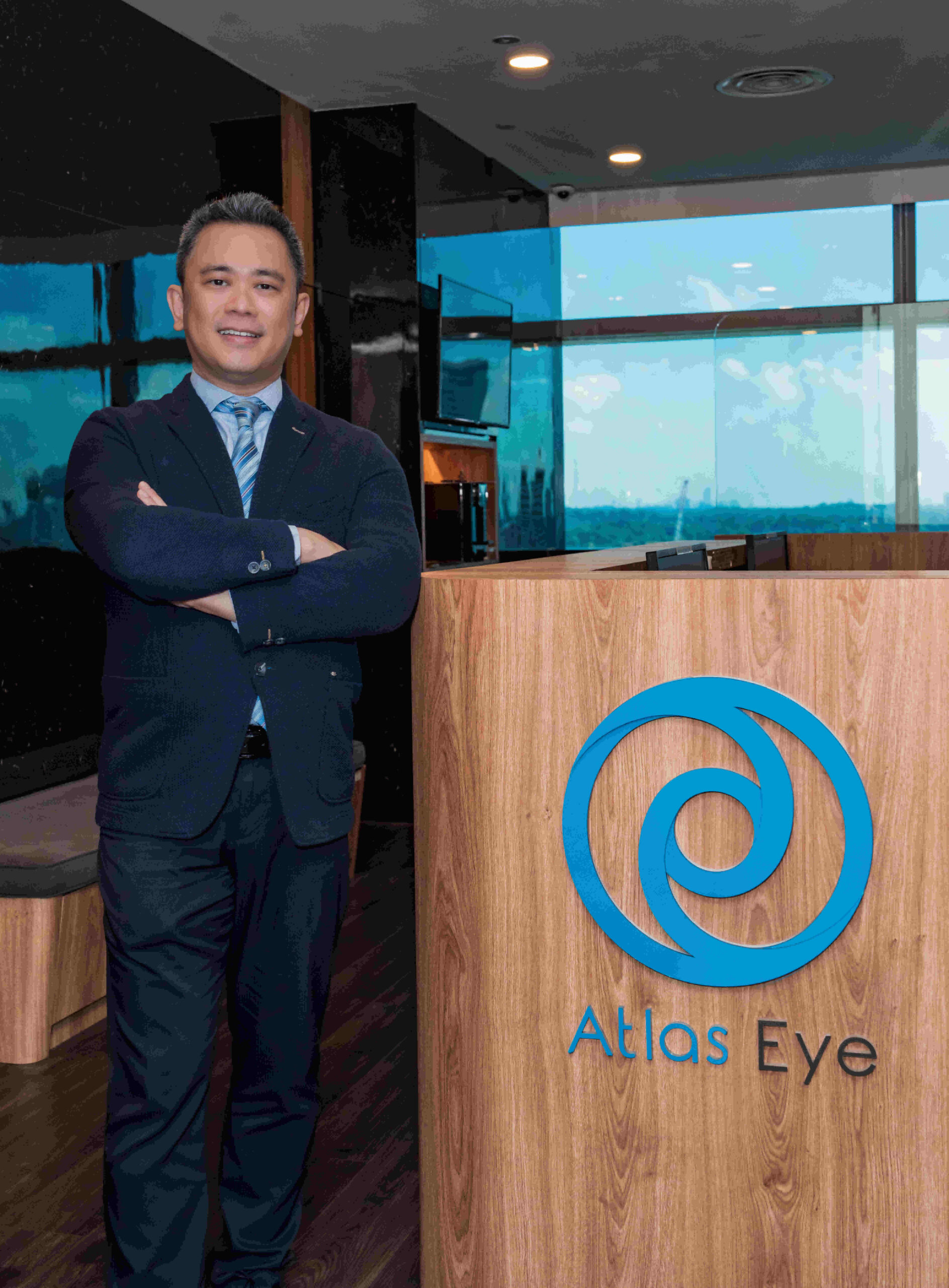
Senior Consultant Eye Surgeon & Medical Director
Dr David Chan is the Medical Director and Senior Consultant Eye Surgeon at Atlas Eye Specialist Centre. As the ophthalmologist (eye doctor), he specialises in complex cataract surgery, anterior segment surgery and refractive surgery. His treatments include high-risk cataract surgery, lens replacement or exchange, lens capsular bag support, iris repair, laser vision correction (ReLEx® SMILE/LASIK), collagen cross-linking, implantable contact lens and refractive lens exchange.